Home › Common Problems › Cracked or Crumbling Tile Grout
Cracked or Crumbling Tile Grout
in Austin, TX
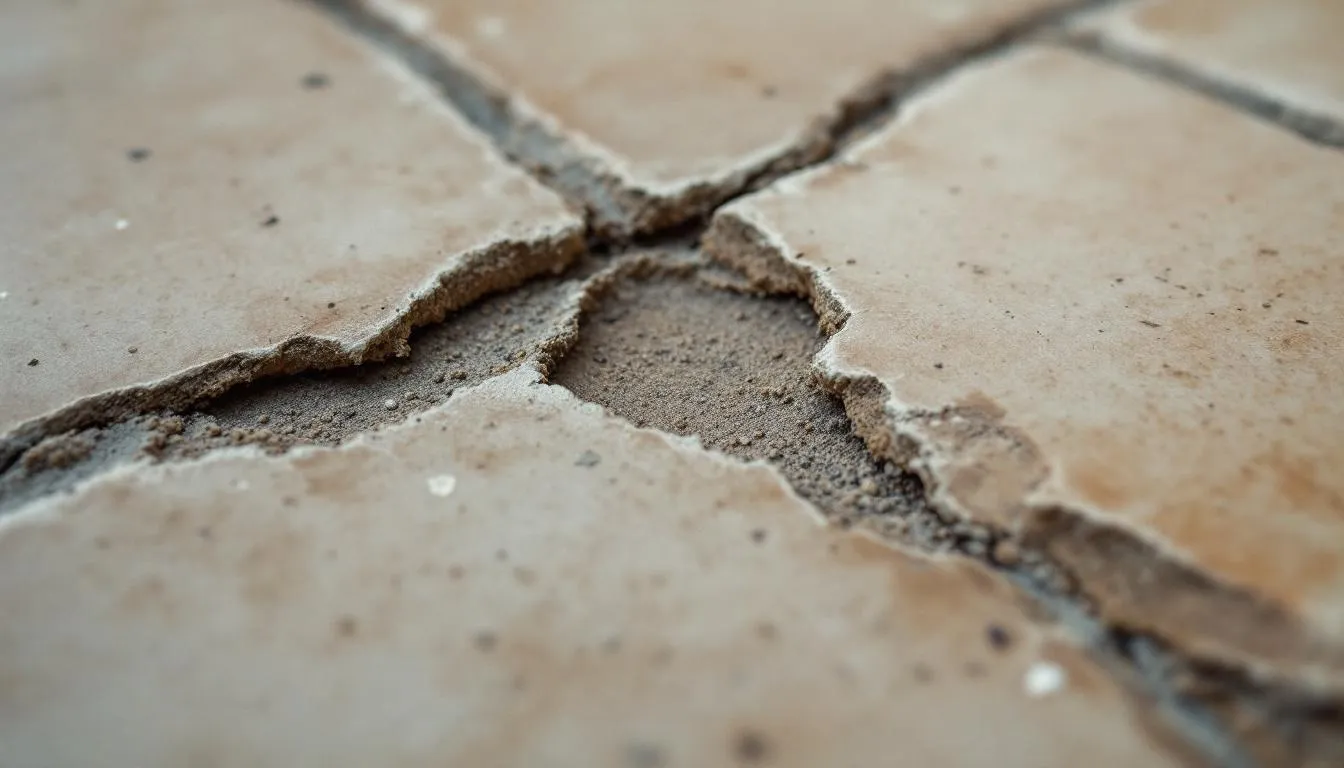
Cracked and crumbling grout is one of the most common bathroom problems in Austin homes. Austin's temperature swings from freezing winter nights to triple-digit summer days cause tile substrates to expand and contract over and over. Many homes built during the 1970s and 1980s used lower-grade grout that was never made for that kind of thermal stress. Left alone, deteriorating grout lets water into the wall and floor, leading to mold, rot, and expensive structural repairs.
Austin Bathroom Remodeling Pros helps Austin, TX homeowners fix cracked or crumbling tile grout — call for a free inspection.
Quick Answer
Austin's hot summers and cold winter nights make tiles expand and shrink constantly, and that breaks grout down over time. Older homes built in the 1970s and 1980s got lower-grade grout that was never built for this. A pro can remove the old grout and replace it with something stronger. Call for an inspection if you see crumbling or missing grout near the shower floor.
Telltale Signs
Warning Signs to Watch For
- Visible cracks running along grout lines in the shower or tub surround
- Grout that crumbles or flakes away when touched or cleaned
- Discoloration or dark staining in grout lines suggesting mold or mildew intrusion
- Loose or hollow-sounding tiles when tapped with a knuckle
- Musty odor near the shower or tub area even after cleaning
- Water stains appearing on the opposite side of a shared wall
Root Causes
What Causes Cracked or Crumbling Tile Grout?
Thermal Expansion and Contraction
Austin's climate regularly delivers temperature swings of 30 to 40 degrees Fahrenheit in a single day during spring and fall. That constant movement stresses the substrate, which is the layer of material the tile is bonded to. Over time, those stress cycles crack the grout, and once it cracks, water gets in and breaks things down faster.
The Fix
Epoxy Grout Replacement with Movement Joints
A professional removes all the failed grout and regroups the field joints with a high-performance epoxy or urethane grout rated for high-movement environments. Flexible silicone caulk goes in at all corners and changes of plane to handle Austin's thermal cycles.
Inadequate Original Substrate
Many Austin bathrooms built before 1990 used standard drywall or green board as the tile backer. Backer is the material directly behind the tile that gives it something solid to hold onto. Both materials absorb moisture, swell, and push tiles and grout outward from behind. Austin's humid summers make that swelling and shrinking happen repeatedly until the bond between grout and tile edge fails completely.
The Fix
Substrate Replacement with Cement Backer Board
The old tile and wet backer board are removed. New cement board or waterproof foam backer goes in before any tile work starts.
Improper Original Installation
During Austin's building booms in the 1990s and 2000s, grout was often mixed too thin or applied over damp surfaces. Grout joint is the thin line of filler between tiles. Weak joints wear out fast under foot traffic. Austin's hard tap water also leaves mineral deposits that break down grout even faster.
The Fix
Full Regrout with Surface Preparation
All the old grout is cut out down to the right depth. Fresh grout goes in to manufacturer specs, then the shower stays dry long enough to fully cure.
Self-Diagnosis
Which Cause Applies to You?
Check the signs you're observing to narrow down the likely root cause before your inspection.
| What You're Seeing | Thermal Expansion and Contraction | Inadequate Original Substrate | Improper Original Installation |
|---|---|---|---|
| Cracks follow a regular grid pattern across the entire tiled surface | |||
| Tiles sound hollow and some have already popped loose from the wall | |||
| Grout is powdery and soft even in areas not exposed to direct water | |||
| Cracks concentrate at corners and where wall meets floor | |||
| Visible soft spots or bulging behind the tile surface | |||
| Staining and grout failure appeared within just a few years of original installation |
Free Quote
Get a free quote in Austin
No obligation — tell us what's going on and we'll text you back shortly.
Other Problems
Services That Fix This
Cracked or Crumbling Tile Grout Near You
Also Helpful