Home › Common Problems › Outdated or Inefficient Bathroom Fixtures
Outdated or Inefficient Bathroom Fixtures
in Austin, TX
Austin Water has some of the strictest conservation rules in Texas. Tiered rates and seasonal restrictions make fixture efficiency a real concern for Austin homeowners. Many Austin bathrooms still have toilets made before 1994. That year, federal law required toilets to use no more than 1.6 gallons per flush. Older models use 3.5 to 7 gallons per flush. Some showerheads were installed before Austin's 2010 green building code updates. Those old showerheads flow at twice the rate allowed today. Outdated fixtures also show hard water staining from iron-rich limestone sediment. Waiting to replace them means wasted water and rising bills every month.
Austin Bathroom Remodeling Pros helps Austin, TX homeowners fix outdated or inefficient bathroom fixtures — call for a free inspection.
Quick Answer
Austin Water has some of the toughest water rules in Texas, and old toilets use three to seven gallons per flush compared to 1.6 today. That burns through your water budget fast. A plumber can swap out old toilets and showerheads for fixtures that meet current Austin Water standards. Call if your toilet was made before 1994 or your water bill keeps climbing.
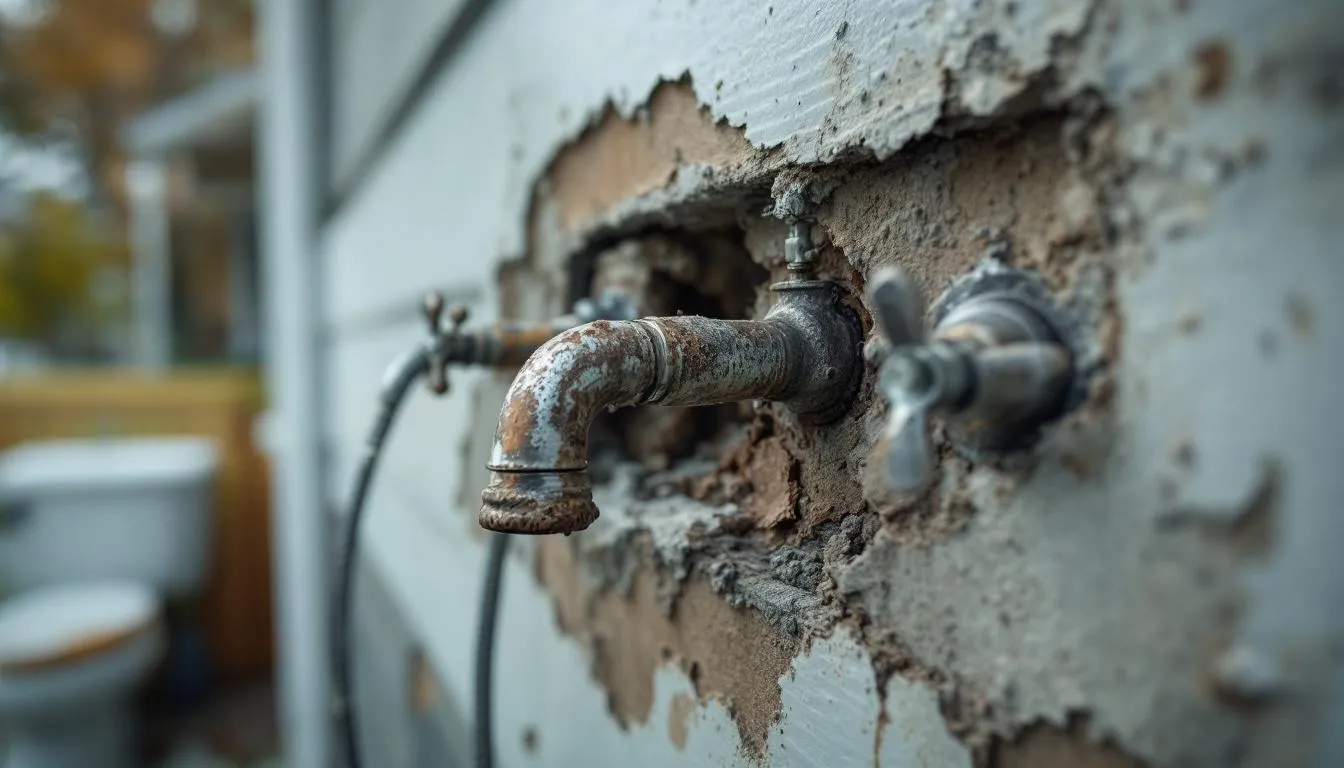
Telltale Signs
Warning Signs to Watch For
- Toilet requires multiple flushes to clear waste or runs continuously after flushing
- Visible brown or orange staining inside toilet bowl or on sink basin from mineral deposits
- Faucet handles that are stiff, drip constantly, or require full open position to achieve adequate flow
- Showerhead with multiple clogged or deflected spray ports due to mineral buildup
- Visible crack, chip, or crazing in the porcelain surface of the toilet, tub, or sink
- Fixtures with a dated aesthetic that conflicts with the rest of a renovated or updated home
Root Causes
What Causes Outdated or Inefficient Bathroom Fixtures?
Hard Water Mineral Accumulation
Austin's water carries roughly 200 to 300 mg/L of dissolved calcium and magnesium. That comes from the Edwards Aquifer and Highland Lakes. It builds up inside a faucet aerator with every use. An aerator is the small screen screwed onto the tip of the faucet spout. Over time, that buildup cuts water flow and wears out seals faster. Homes in Austin without whole-house filtration see this problem compound year after year.
The Fix
Fixture Replacement with Scale-Resistant Models
Old fixtures are swapped out for WaterSense-certified models with ceramic disc cartridges. Those cartridges hold up better against mineral buildup. Aerators and showerheads are chosen for documented hard-water performance that matches Austin's water chemistry.
End-of-Service-Life Component Failure
Toilets and faucets in Austin homes from the 1970s through the 1990s used rubber washers and flappers. Those parts last about 10 to 15 years. They are long past that now. Austin's tap water arrives warmer than in many northern cities. That is because the distribution pipes are shallow. Warm water breaks down rubber faster. The result is running toilets and dripping faucets that waste thousands of gallons a year. Under Austin Water's conservation billing, that waste shows up on your bill.
The Fix
Full Fixture Replacement with Modern Valve Technology
Worn-out fixtures are pulled out and replaced with current models using ceramic disc cartridges. Toilets are replaced with dual-flush or pressure-assist units. These choices hold up to Austin's water chemistry and meet Austin's current plumbing code flow requirements.
Cosmetic and Structural Porcelain Degradation
Austin's strong sun fades and yellows older acrylic and fiberglass surfaces over time. Cast-iron tubs and vintage toilets develop crazing as the glaze ages. Crazing is a network of fine cracks that spread across the surface as the glaze loses flexibility. A crazed surface cannot be cleaned properly. It holds bacteria. Where chips break through, water gets into the cast iron underneath and causes rust to push up from below.
The Fix
Porcelain Refinishing or Fixture Replacement
Surfaces with light crazing or staining may be candidates for professional porcelain refinishing. Fixtures with structural cracks or chips that expose the base material should be replaced outright. New vitreous china or enameled cast-iron units restore both sanitation and appearance.
Self-Diagnosis
Which Cause Applies to You?
Check the signs you're observing to narrow down the likely root cause before your inspection.
| What You're Seeing | Hard Water Mineral Accumulation | End-of-Service-Life Component Failure | Cosmetic and Structural Porcelain Degradation |
|---|---|---|---|
| Showerhead produces uneven spray pattern with clogged ports | |||
| Toilet flapper replaced recently but toilet still runs intermittently | |||
| Network of fine cracks visible across the bottom of the bathtub when dry | |||
| Faucet drips constantly even after washer replacement | |||
| Brown staining returns within weeks of thorough cleaning |
Free Quote
Get a free quote in Austin
No obligation — tell us what's going on and we'll text you back shortly.
Other Problems
Services That Fix This
Outdated or Inefficient Bathroom Fixtures Near You
Also Helpful